
The Politics of Loving the City
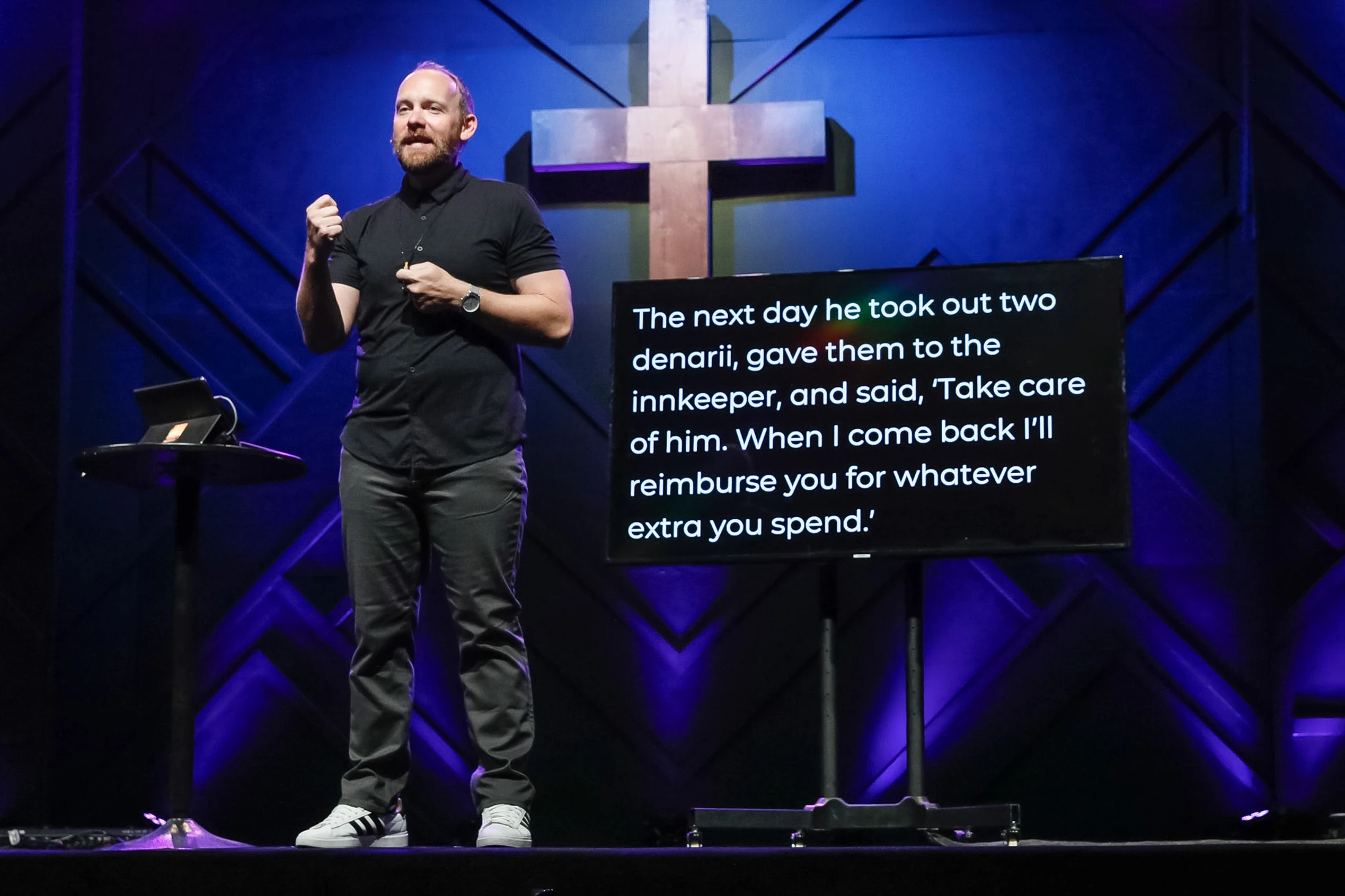
Building on the themes of Jonah, this message explores Jesus' parable of the Good Samaritan in Luke 10, asking how the command to love our neighbors shapes Christian engagement in public life. As Jesus responds to the lawyer's question, "Who is my neighbor?", he refuses to narrow the scope of love and instead tells a story that overturns expectations by making the despised Samaritan the model of faithful discipleship. The sermon highlights how genuine neighbor love moves toward those in need, willingly bearing personal cost and shifting the central question from "What will happen to me?" to "What will happen to them if I do nothing?"
The message also considers how love of neighbor extends beyond immediate acts of compassion to addressing the conditions that leave people wounded along the roadside. Drawing on the witness of Dietrich Bonhoeffer and Martin Luther King Jr., the sermon argues that Christians are called both to care for those harmed by injustice and to seek the transformation of systems that perpetuate suffering. Ultimately, the Good Samaritan points to Jesus himself, who identifies with the wounded, the marginalized, and the outsider, inviting his followers to engage civic life as ambassadors of God's kingdom with mercy, courage, justice, and sacrificial love.